

Analyses des lecteurs sur le mois de novembre à Paris
Qui lit Novembre à Paris et ce qu'ils trouvent
Certains livres n'ont qu'un seul type de lecteur. D'autres ont de nombreux lecteurs, mais tous y découvrent la même histoire. Novembre à Paris travaux Autrement : il comporte de multiples points d'entrée, et chaque lecteur trouve le sien — souvent sans se rendre compte que d'autres lisent un livre complètement différent au sein du même texte.
Pour ceux qui aiment Paris
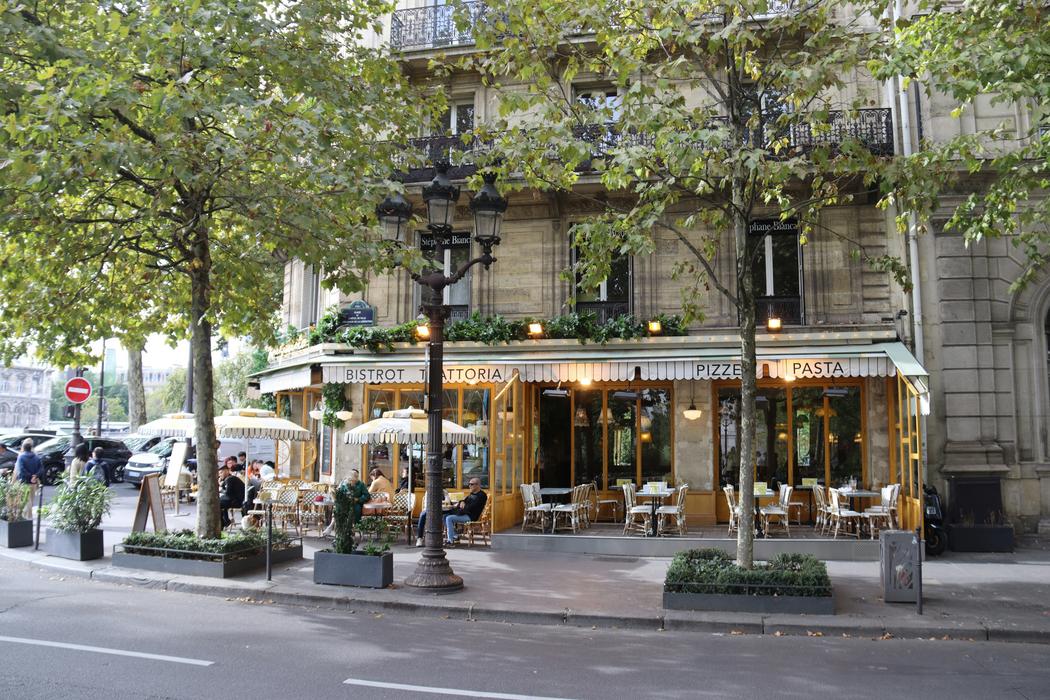
Pour eux, le livre commence par l'atmosphère : la Seine sous la pluie, le Pont Neuf la nuit, Saint-Joseph-des-Carmes avec les ossements des martyrs révolutionnaires sous le plancher, Bouillon Chartier fondé en 1896, les Tuileries en novembre quand les touristes sont partis et que les chaises vertes brillent de peinture fraîche, la place Vendôme sous le gel.
Ceci n'est ni un guide touristique ni une carte postale. C'est Paris vu par quelqu'un qui y a vécu assez longtemps pour ne plus la photographier. Les lecteurs qui aiment la ville — ou rêvent d'y habiter — y trouveront quelque chose de rare : un regard d'initié, ni enchanté ni désabusé. Simplement présent.
Pour ceux qui croient aux signes
11 h 11, encore ce mois-ci. Un homme dans un salon de coiffure qui ressemble au Christ. Un coiffeur nommé Brice, dont la fête patronale coïncide presque avec l'anniversaire de Max. Une cathédrale quelconque dans une rue qu'il a parcourue des centaines de fois. Rencontrer Alexandre quand il n'a plus d'autre choix. Partir deux mois avant le début de la guerre.
Max est rationnel et incertain de croire aux signes. Pourtant, il ne peut les ignorer. Ce “ je ne sais pas ” sincère trouve un écho chez les lecteurs qui, eux aussi, se trouvent dans cet entre-deux, entre rationalité et inexplicable. Le livre ne cherche pas à convaincre de l’existence des signes ; il montre simplement une personne qui les remarque, et cela suffit amplement.
Pour ceux qui reconnaissent leur enfance
Nul besoin d'explication pour des couloirs jonchés d'aiguilles de pin, une mère dépassée par les événements, un grand-père, seul repère, qui disparaît ensuite. Nul besoin d'explication non plus pour vendre des plantes en pot à 11 ans ou voler un sapin de Noël pour se nourrir.
Pour ces lecteurs, le livre agit comme un miroir. Ils ne lisent pas l'histoire de Max ; ils y reconnaissent une part d'eux-mêmes longtemps restée indicible. Et le fait que le protagoniste ne soit ni une victime, ni brisé, ni en quête de compassion, est essentiel. Ce livre ne parle pas de souffrance, mais de la manière de s'en libérer.
Pour ceux qui s'intéressent à l'argent
Pourquoi certaines personnes dépensent-elles immédiatement dès qu'elles reçoivent de l'argent, sans pouvoir s'arrêter ? Pourquoi d'autres évitent-elles de demander de l'aide même lorsqu'elles en ont besoin ? Pourquoi l'argent n'est-il jamais “ suffisant ” pour certains ?
Novembre à Paris Les réponses ne reposent pas sur la théorie, mais sur la biographie. Les lecteurs découvrent comment des expériences concrètes – l’inflation des années 1990, un salaire de 3 000 contre 21 000 pour un même travail, un ami qui s’approprie des voitures – façonnent une pensée économique concrète. Quiconque s’est déjà posé la question…, “ Pourquoi est-ce que j’ai ce rapport à l’argent ? ” Ils ne trouveront pas ici de réponses, mais un langage pour dialoguer avec eux-mêmes.
Pour les personnes en thérapie ou qui envisagent d'en suivre une
La structure reflète délibérément la thérapie elle-même. Les séances avec la psychologue Sophie ne sont pas qu'un simple artifice scénaristique. Elles illustrent comment une personne, progressivement, avec des résistances et des pauses, revisite une douleur passée et découvre qu'elle n'est pas aussi vive qu'elle le paraissait.
Les lecteurs en thérapie en reconnaissent les mécanismes. Les curieux découvrent ce que cela donne de l'intérieur – sans pathos, sans révélations fracassantes, sans un seul “ Tout a changé ” Un moment. Une clarté progressive. C'est plus honnête que la plupart des livres sur la thérapie.
Pour celles et ceux qui élèvent des enfants seuls
Une fille de onze ans, l'âge exact de Max au moment où tout a commencé. Il la regarde et pense : J'étais comme ça — mais est-ce que je comprenais ce qui se passait ?
Les scènes avec elle sont peu nombreuses mais précises : des toasts à l'avocat le matin, un balcon dans un épais brouillard,
“ Papa, il y a quelqu'un ? ” — “ L'important, c'est que nous soyons là, ensemble. ”
Il ne s'agit pas de sentimentalité. Il s'agit de rompre le cycle. De construire une petite famille à deux où la présence est réelle, non conditionnelle. Pour les parents célibataires, cela résonne profondément et clairement.
Pour ceux qui s'intéressent à la philosophie et au sens
Marc Aurèle. Camus. Martin Eden. Bourdieu — non pas comme théorie, mais comme expérience vécue. Les questions de libre arbitre et de prédestination sont omniprésentes. Où s'arrêtent mes décisions et où commence ce que quelqu'un d'autre a déjà décidé ?
Max ne donne pas de réponses, et c'est dans cette honnêteté que réside la force du texte. Il maintient la contradiction sans la résoudre. Pour les lecteurs qui vivent avec ces questions, c'est une qualité, non un défaut.
Ce qui unit tous les lecteurs
Un type de lecteur – quel que soit son point d'entrée : celui qui privilégie la réflexion à l'émotion, qui ne cherche ni réconfort ni divertissement, mais de la précision. Celui qui sait se reconnaître dans le récit d'autrui.
Novembre à Paris Ce livre ne s'adresse pas à tout le monde. Mais pour son lecteur — aussi difficile que soit le chemin parcouru — il constitue une conversation longtemps désirée, qu'il n'a personne d'autre avec qui entamer.
Novembre à Paris — Un roman de Dmitry Sych. Disponible sur Amazon en russe, en anglais et en français.
Les commentaires sont fermés.