

Quiet Literary Novels About Paris Life: A Serene Escape
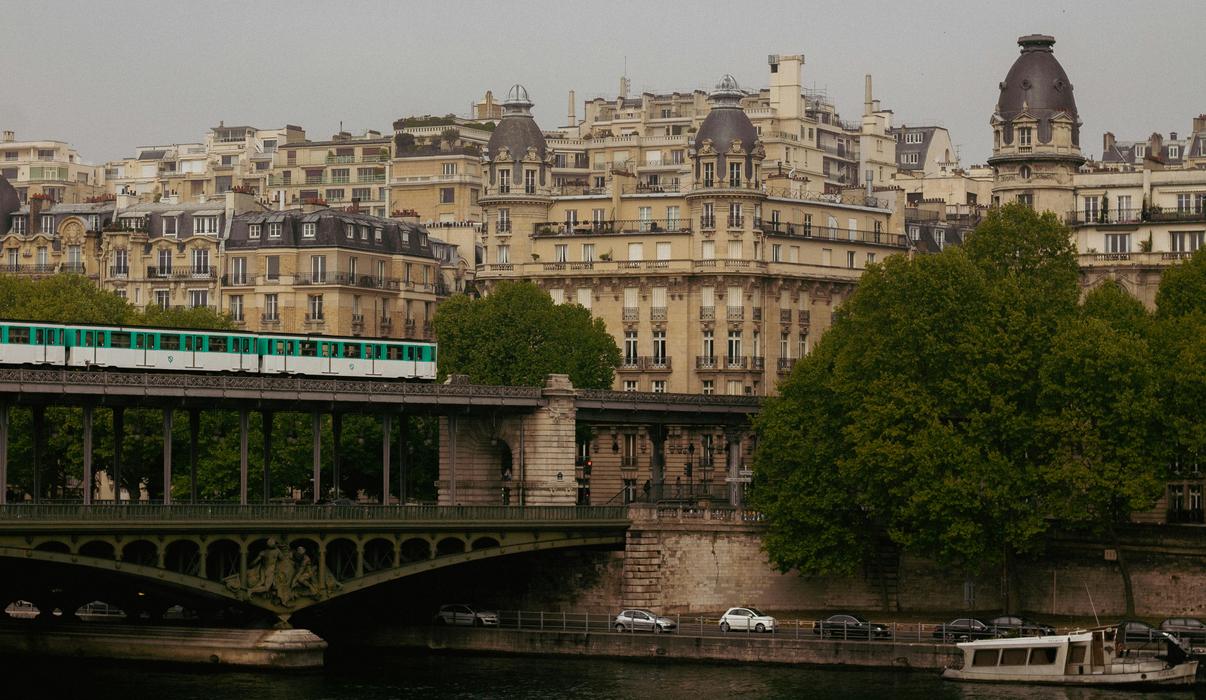
Quiet Literary Novels About Paris Life: A Serene Escape
Paris, with its timeless streets and persistent allure, has long provided fertile ground for quiet literary novels. These works of literature do not merely capture the city’s fleeting beauty but distill its undercurrents—solitude, longing, artistry, and the search for human connection—into pages imbued with introspection. The pulse of Parisian life is best felt through narratives that move softly, evoking the inner landscapes of their characters as vividly as the city’s arrondissements. This guide leads you through the serene world of Parisian literary fiction, where each story offers a contemplative escape, inviting readers to amble through the city’s heart by way of finely wrought prose.
The Allure of Paris in Literary Fiction
Paris exists in literature as more than a backdrop; it is a living entity, breathing through its bridges, boulevards, and rain-washed stone. Quiet novels set in Paris are especially attuned to the city’s subtleties, treating its cafes and cobbled lanes not merely as scenes but as emotional terrain.
A City of Reverie and Reflection
Writers are drawn to Paris for the promise of reinvention and soulful reflection. Quiet literary novels about Paris life lean into this ambience, unearthing the city’s quietest moments: hushed dialogues over coffee, the gentle solitude of early dawn walks, the silent yearning between strangers. In these pages, Paris is not just a city of lights but a city of interior light.
Navigating Solitude and Intimate Connection
A defining quality of quiet Parisian fiction is its tender portrayal of loneliness interlaced with hope for kinship. Amid grand boulevards and bustling squares, characters often find themselves alone, yet never quite adrift. Their solitary experiences echo the paradox of city life—a place of crowds, yet so often a refuge for those contending with private grief and nostalgia. Through shared glances and modest gestures, these novels reveal the subtle ways in which human connections germinate in the city's shadowed corners.
Exemplars of Quiet Literary Novels About Paris Life
“A Moveable Feast” by Ernest Hemingway
Hemingway’s wistful memoir charts the city’s literary scene during the 1920s, presenting Paris as both muse and companion to an artist’s uncertain days. Here, Paris becomes a quiet confidante—its streets bearing witness to fledgling dreams, creative hunger, and friendship. Every episode unfolds with a patient cadence, drawing the reader into a world where artistry is forged not by epiphany but by daily rituals and ordinary regrets.
“The Elegance of the Hedgehog” by Muriel Barbery
Barbery’s Paris is glimpsed through the eyes of Renée, a concierge who conceals her learning from the wealthy residents of her building. The novel elegantly explores intellect, beauty, and class—yet never loses sight of its protagonist’s solitude. The connections formed are delicate, emerging quietly and unexpectedly, much like the city’s understated charms.
“Suite Française” by Irène Némirovsky
Set during the German occupation, Némirovsky’s unfinished masterpiece renders wartime Paris in strokes both intimate and restrained. Through depictions of ordinary routines interrupted by extraordinary forces, the novel shines a light on the perseverance of humanity and the subtle courage required to survive. The city’s transformation becomes a study in adaptation and resilience, told through characters whose lives unfold quietly in the shadows of upheaval.
“The Paris Wife” by Paula McLain
Chronicling the marriage of Hadley Richardson and Ernest Hemingway, this novel explores the uncertainty and quiet vulnerability that accompanied their years as expats. Through Hadley’s gentle observations, the narrative traces the ephemeral joys and inevitable heartbreaks that are inextricably bound to the Parisian experience.
“The Little Paris Bookshop” by Nina George
Jean Perdu, a bookseller on a Seine houseboat, possesses a singular sensitivity for healing others with literature. His journey through Paris is as much about reconciling with his past as it is about discovering solace in the present. George’s narrative lingers in the quiet spaces between loss and redemption, rendering the city as a place where grief can soften and hearts can mend—if only one listens to Paris’s quieter melodies.
The Power and Beauty of Quiet Narratives
The Gift of Slow Pacing and Mindful Reflection
In quiet literary novels about Paris life, time slows—inviting the reader to savor not only story but sensation. Small details become monumental: the hush after rain, the crinkle of paper in a patisserie, muted laughter echoing from a garden. This deliberate pacing is the hallmark of the genre, encouraging introspection and an appreciation for subtlety.
Attunement to Paris’s Rhythms
To read these novels is to slip into Paris’s heartbeat—measured, contemplative, sometimes melancholic, often luminous. The city’s daily ebb and flow is mirrored in characters’ emotional landscapes, reminding us that even among monuments, it is the gentle cadences of everyday life that shape our most enduring memories.
Serene Escapes: Additional Quiet Literary Novels Set in Paris
For readers seeking further tranquility and depth, the following novels offer their own unique perspectives on Parisian existence:
-
“The Paris Architect” by Charles Belfoure: Exploration of wartime moral dilemmas unfolds with careful psychological detail, grounding the historical turbulence of occupied Paris in the personal conflicts of one reluctant hero.
-
“The Book of Disquiet” by Fernando Pessoa: While Lisbon is Pessoa’s home, the philosophical meditations evoke a universal urban solitude that finds easy kinship with the Parisian psyche—an elegy to existential yearning, rendered in poetic fragments.
-
“Paris by the Book” by Liam Callanan: A narrative shaped by quiet pursuit and literary mystery, following a woman in search of her missing husband through the shifting layers and stories of contemporary Paris.
The Lasting Impact of Quiet Literary Fiction
Literature as Bridge and Mirror
Quiet literary novels about Paris life invite us to inhabit the interior worlds of their characters, fostering empathy and understanding for lives at once foreign and familiar. Through the portals of fiction, we connect more deeply not only to the city, but to our own reservoirs of memory, longing, and hope.
The Elegance of Contemplation
In an era that prizes swiftness and spectacle, the quiet Parisian novel offers solace—a gentle reminder of the dignity found in restraint, and the meaning etched into the slow unfolding of days. These stories give permission to pause, to reflect, and to seek beauty in the moments others pass by.
FAQ: Quiet Literary Novels About Paris Life
What are some essential quiet literary novels about Paris life?
Notable works include “A Moveable Feast” by Ernest Hemingway, “The Elegance of the Hedgehog” by Muriel Barbery, and “The Little Paris Bookshop” by Nina George. These novels illuminate the subtle interplay of connection, solitude, and the Parisian spirit.
Why do readers gravitate toward quiet literary novels set in Paris?
Such novels engage readers who value introspection, lyricism, and the slow uncovering of character and place. They provide refuge from the pace of modern life and a portal into the city’s poetic heart.
Are there contemporary quiet literary works set in Paris?
Indeed, “Paris by the Book” by Liam Callanan stands among modern novels that capture the nuanced emotional spectrum of living in and searching for meaning within Paris.
How do quiet literary novels differ from conventional fiction?
These works favor subtle character development and layered thematics over high-octane plot, creating immersive and thoughtful reading experiences rooted in the interior lives of their characters.
What makes Paris so well-suited to contemplative fiction?
Paris’s layered history, aesthetic riches, and crosscurrents of intimacy and anonymity inspire stories of reinvention, solitude, and the quiet search for belonging.
Editorial Reflection: “November in Paris” and the Quiet Edges of Exile
The quiet literary tradition finds new and haunting resonance in the contemporary novel November in Paris. This psychological work, shaped by memory and real experience, follows an immigrant’s journey of adulthood in the city—the shadow of childhood trauma mingling with the promise of reinvention beneath Parisian skies. Through understated narrative, the novel traces the protagonist’s solitude and search for meaning, meditating on themes of identity fractured and reconstructed in foreign streets.
November in Paris contemplates not simply place but the quiet ache of belonging, the traces left by inequality and betrayal, and the solitary work of healing. It stands, quietly but resolutely, within the lineage of Parisian novels that linger on the inner life: adulthood reimagined, trauma carried and transformed, freedom sought in the hush of autumn rains.
For readers interested in literary explorations of loneliness, trauma, and becoming, November in Paris continues the conversation, extending the city’s story in subtle, indelible strokes.
https://www.amazon.com/November-Paris-Trauma-Growing-Freedom/dp/B0G4GKJSMC/
Key Takeaways
- Quiet literary novels about Paris life transform the city into a landscape of introspection, solitude, and subtle connection.
- These works prioritize character depth, lyricism, and slow pacing, offering respite from the cacophony of modern life.
- Their narratives serve both as mirror and bridge, deepening our understanding of ourselves and of Paris in its quietest seasons.
- Newer works like November in Paris enrich this tradition, delving even more deeply into questions of memory, trauma, and the quest for meaning beneath the city’s muted lamplight.
For those who seek not noise, but nuance, Paris, in these pages, forever offers shelter and self-recognition.
Comments are closed.