

Small Publisher Visits in Paris: How to Organize Effectively
Small Publisher Visits in Paris: How to Organize Effectively
Paris, with its aura of distant bells and rain-slicked boulevards, remains a perennial haven for those who cherish the gravity of words. Beyond its chandeliered salons and the orchestral sweep of the Seine, the city’s true literary pulse is found in its smaller, fiercely independent publishing houses. For seekers of meaning, arranging small publisher visits in Paris—how to organize them, how to engage, how to return changed—invites immersion in the city’s most vital creative currents. This guide offers nuanced strategies and reflections for cultivating such an experience—rooted in both practical advice and the poetry of literary belonging.
Key Takeaways
- Small publisher visits in Paris offer unique insight into the city’s literary ecosystem.
- Organizing these excursions requires research, preparation, and a spirit of genuine curiosity.
- Connection—with publishers, authors, neighborhoods—deepens literary appreciation and personal discovery.
The Parisian Small Publisher: Legacy and Living Presence
To understand how to organize small publisher visits in Paris, one must first sense the lineage of these houses. Unlike the imposing edifices of major publishers, independent presses favor intimacy. They specialize in rare genres, amplified marginalized voices, and experiment tirelessly with form.
Consider Éditions Verdier, renowned for philosophy and contemporary fiction, or Les Éditions de Minuit, whose history is a quiet resistance, publishing Beckett under occupation. These houses are not mere enterprises; they are custodians of memory and risk.
Engaging Local Authors and the Reader-Author Dialogue
To seek out small publisher visits in Paris is to bridge the intimate gap between reader and creator. It is not uncommon to find yourself in conversation with a novelist, discussing the genesis of a character, or with an editor whose eyes have lingered over each page. These dialogues transcend the transactional, becoming moments of shared humanity—reflections on art, solitude, and the city’s inexhaustible inspiration.
How to Organize Small Publisher Visits in Paris: A Stepwise Approach
Researching Parisian Independent Publishers
Begin by immersing yourself in the city’s living literary map. Use publisher directories, social media, and the Paris Book Fair listings to create your shortlist. Favor publishers whose catalogues echo your personal literary compass.
Real-World Examples:
- Éditions du Sous-Sol: Esteemed for gritty contemporary fiction and translations of underrepresented authors.
- Le Tripode: Famed for their avant-garde editorial line—uncovering new literary forms.
- Les Éditions Allia: Revered for specialized essays, poetry, and reissues of forgotten classics.
Reaching Out and Arranging Your Visits
Write with sincerity and precision. Introduce yourself, clarify your intent—is it learning, collecting, interviewing? Many presses are welcoming if approached thoughtfully. Aim to schedule weekday mornings, when the atmosphere is contemplative, and avoid the intensity of festival periods when staff may be overwhelmed.
Insider’s Insight:
Some publishers offer open afternoons or small group tours—details often found on their websites or via discreet inquiry.
Discovering Parisian Independent Bookstores
To understand how small publisher visits in Paris interweave with daily life, explore the city’s literary sanctuaries:
- Shakespeare and Company: The Left Bank monument, crossroads for émigré writers and quiet seekers.
- Librairie Vendredi: Tucked away in the 18th arrondissement, a showcase for small press innovation.
These bookstores are not only retail spaces but map points for discovery—hosting readings, roundtables, and conversations that often extend late into the evening.
Participating in Literary Events and Workshops
Extend your literary pilgrimage by attending readings, translation workshops, or debates. Use platforms such as Eventbrite, Meetup, and Maison de la Poésie’s calendar to find happenings that shadow your interests.
These gatherings are ideal for forging connections and deepening your understanding of the Parisian literary milieu.
Keeping a Literary Journal
In the dim-lit alcoves of offices and dusty corners of bookshops, keep a journal. Note the cadence of conversations, the scent of old books, the names of novels whispered as recommendations. This habit not only records memories—it refines your perception, transforming observations into lifelong inspiration.
Maximizing the Literary Encounter
To make the most of your small publisher visits in Paris—how to organize and elevate the experience—consider these approaches:
Cultivate Open Dialogue:
Rather than arriving with a checklist, adopt a conversational tone. Ask about editorial philosophy, the subtleties of manuscript selection, or the pressures facing independent houses today.
Suggested Questions:
- What draws you to the types of stories you publish?
- How do you navigate the forces of commercialism and artistic integrity?
- What do you see as the future of small publishing in Paris?
Exploring Neighborhoods:
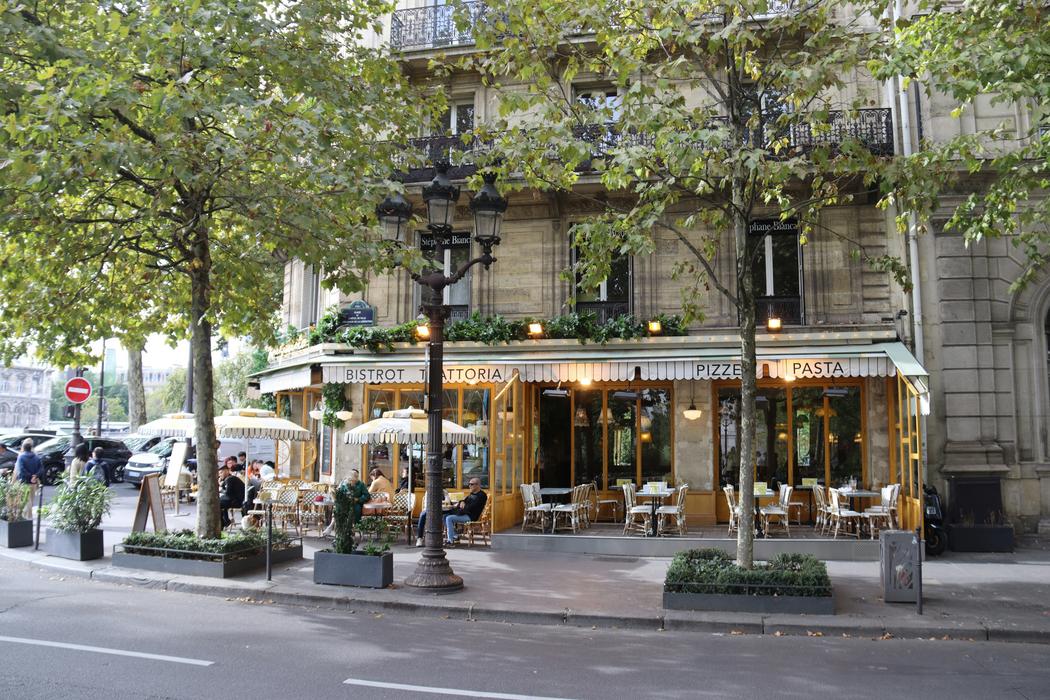
Allow time to wander the districts where these publishers reside—Montparnasse, Le Marais, the winding alleys of Belleville. Step into a café, linger by a courtyard, absorb the everyday poetry that seeps into every Parisian tale.
Editorial Interlude: November in Paris
In the quiet interstices between pages and spoken word, one discovers the echo of deeper human truths—those of isolation, resilience, and the long shadow of the past. These themes breathe through Paris, and are delicately rendered in November in Paris, a psychological novel woven from lived experience. The narrative unfolds along cobbled streets and in empty metro stations, chronicling an adult’s search for meaning amidst memories of orphanhood, fractured trust, and exile.
Like the city’s small publishers, November in Paris contemplates solitude not as absence, but potential—where identity grows, falters, and is painstakingly rebuilt. It is a meditation on freedom, belonging, and the understated drama of becoming who we are meant to be far from home.
FAQs: Organizing Small Publisher Visits in Paris
How do I begin planning small publisher visits in Paris?
Start by identifying publishers that align with your literary passions. Create an initial list, explore their websites, and send thoughtful requests for meetings. Augment your itinerary with bookstore tours and literary events for a fuller experience.
Which independent publishers welcome visitors?
Houses such as Éditions du Sous-Sol, Le Tripode, and Les Éditions Allia are known for their openness to engaged visitors. Always communicate in advance to ensure a meaningful encounter.
Where can I find current literary events in Paris?
Consult websites like Eventbrite, the calendars of Maison de la Poésie, and independent bookstore newsletters. Many events are free and offer unique networking opportunities.
What strategies help maximize small publisher visits?
Approach conversations as dialogues, record your reflections, and experience the local environment. Engage with both the people and their surroundings for a layered understanding of the Parisian literary world.
When is the best time for small publisher visits in Paris?
Weekday mornings provide a tranquil setting for exploration. Try to avoid the whirlwind of festivals or major launches, when attention may be spread thin.
Conclusion: Embracing Literary Solitude and Connection
To organize small publisher visits in Paris is to move with intention through the city’s mosaic of voices and silences. Each encounter—whether in a publisher’s atelier, a dusky bookshop, or at a reading—invites you deeper into the secret life of Parisian literature. The process is as much about attentive listening and personal transformation as it is about the books themselves.
For readers drawn to the subtler inquiries—of loneliness, trauma, the architecture of memory, and the slow awakening of adulthood within the confines of a foreign city—November in Paris offers a kindred journey. If these themes resonate with your own explorations, you may wish to discover more: November in Paris.
Comments are closed.